1. Why Use Fabric Softeners?
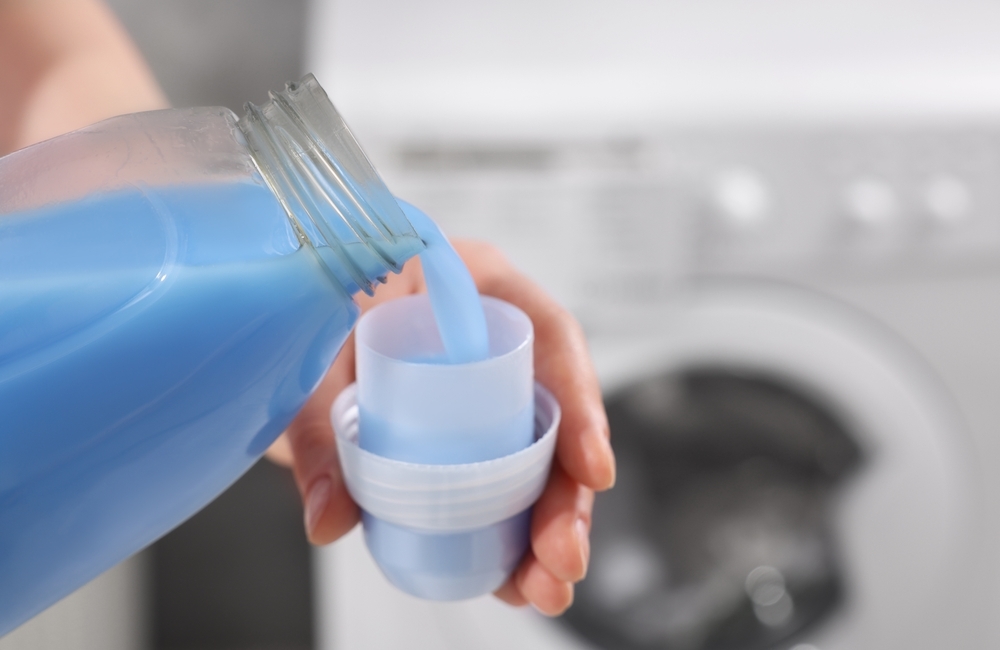
Fabric softeners are designed to make your clothes feel smoother, less static-prone, and easier to iron. They coat the fibers with conditioning agents that reduce friction, maintain softness, and preserve color vibrancy.
If you’re looking to improve clothing care and extend your garment’s life, incorporating a good softener into your routine is a game changer—especially for cotton, towels, and bedding.
🧺 Soft laundry isn’t a luxury—it’s a smart care habit.
2. Common Mistakes to Avoid
Even the best fabric softener won’t work properly if used incorrectly. Avoid these laundry pitfalls:
- ❌ Using too much product: Leads to buildup and residue
- ❌ Applying directly on clothes: Always use the correct dispenser
- ❌ Using with microfiber, activewear, or towels: May reduce absorbency or breathability
- ❌ Mixing with bleach or strong detergents: Can cause chemical reactions or reduce performance
Stick to manufacturer recommendations and adjust based on water hardness and load size.
3. Natural Alternatives vs Commercial Brands
If you’re seeking a cleaner routine, consider switching to natural fabric softeners. They work just as well and avoid harsh chemicals like quats, dyes, and synthetic fragrances.
🔄 Commercial Brands:
- Downy Free & Gentle – Hypoallergenic and dye-free
- Snuggle SuperCare – Designed for color preservation
- Bell SoftGuard™ – Baby-safe, pH-balanced, fragrance-free
🌿 Natural Options:
- Wool dryer balls – Reduce static and fluff without chemicals
- White vinegar – Neutralizes odors and softens fibers
- Baking soda – pH adjuster and natural freshener
- Essential oils – Add gentle scent without synthetic fragrance
🌱 Natural softeners = fewer irritants, longer-lasting fabric quality.
4. Easy DIY Hacks to Stretch Your Product
Want to get more out of every bottle of fabric softener? Try these creative tricks:
- Mix 1 part softener with 2 parts water for lighter loads
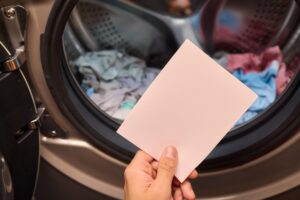
- Use a sponge soaked in diluted softener as a dryer sheet substitute
- Spray diluted softener on wrinkled clothes for a quick refresh
- Add ¼ cup to a bucket of water for hand-washing delicate items
- Pour a small amount on a rag and place it in your dresser drawers for lasting scent
💡 Little hacks = big savings.
5. Boosting Softness Without Residue
Too much softener can leave behind waxy buildup. To get softness without the gunk:
- Use softener every other load, not every cycle
- Switch between liquid softeners and dryer sheets to avoid saturation
- Run a monthly washing machine clean with vinegar or baking soda
- Rinse extra-large loads twice to remove any leftover film
- Choose formulas labeled “low residue” or “HE compatible”
✨ Soft doesn’t mean slimy—use smarter, not more.
6. Product Recommendations
Here are the best-reviewed fabric softeners in 2025:
| Brand | Best For | Notable Feature |
|---|---|---|
| Bell SoftGuard™ | Families & Baby Laundry | Pediatrician-tested, fragrance-free |
| Mrs. Meyer’s Clean Day | Eco-conscious consumers | Plant-derived ingredients |
| Downy Infusions Calm | Long-lasting scent | Lavender-vanilla blend |
| Ecover Fabric Softener | Natural and biodegradable | Apple & almond scent, recyclable bottle |
| Snuggle Exhilarations | Budget-friendly performance | Widely available, softens efficiently |
Choose based on skin type, scent preference, and machine compatibility.
7. Using Softeners on Delicates and Baby Clothes
Delicates and baby garments require extra caution. For baby-safe soft laundry, go with:
- Dye-free, fragrance-free formulas
- Softeners labeled hypoallergenic or dermatologist-tested
- Products that leave no greasy residue (to avoid fabric barrier buildup)
For delicate fabrics like silk, lace, or wool:
- Use a gentle wash cycle
- Add a drop of vinegar in the rinse cycle instead of softener
- Avoid high-heat drying, which breaks down softener bonds
👶 Babies and delicates need softness—without the chemicals.
🔥 Bonus: Should You Use Fabric Softener Every Time?
No. Using fabric softener with every load can actually shorten the life of certain clothes. Over time, softener builds up, making fabrics feel coated rather than refreshed.
Use softener:
- On bedding, cotton shirts, pajamas, and casual clothes
Avoid softener:
- On activewear, microfiber cloths, baby onesies, and flame-retardant garments
Instead, rotate between softeners, dryer balls, and natural rinses to maintain softness without over-conditioning.
🧼 Less frequent use = longer-lasting results.