
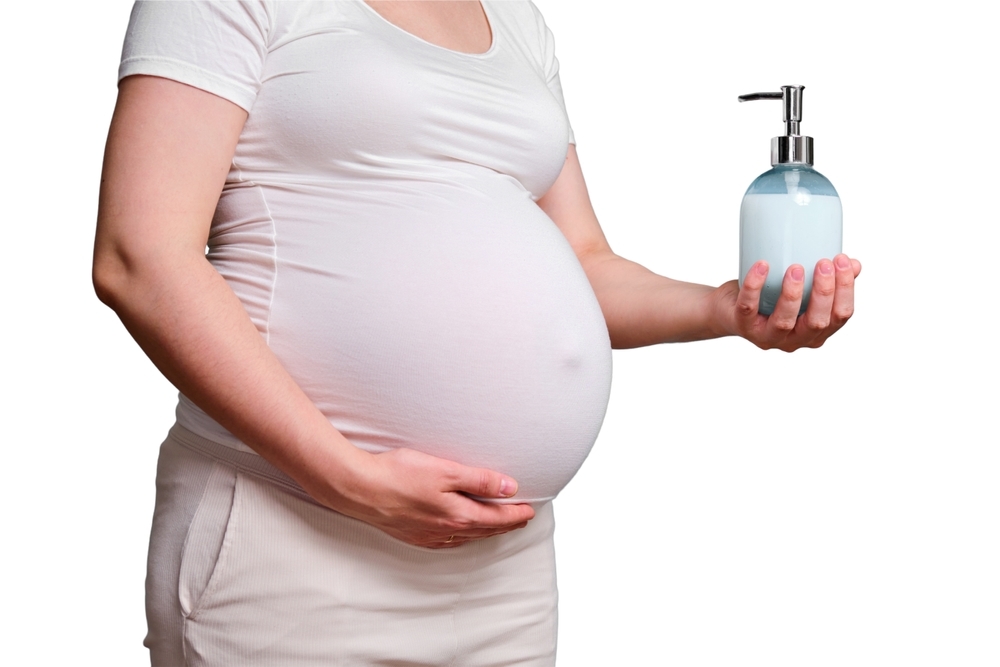
1. Why Safety Matters in Body Wash for Expecting Mothers
Pregnancy changes everything—including your skin. From hormonal shifts to increased sensitivity, your body deserves extra care. A pregnancy body wash should offer gentle cleansing while avoiding ingredients that could affect your health or your baby’s development.
Choosing safe skincare is especially important since your skin can absorb chemicals, and the scent or ingredients may also trigger nausea or irritation.
👶 Clean doesn’t mean chemical.
2. Ingredients to Avoid During Pregnancy
Not all body washes are safe for maternity use. Some ingredients are linked to hormonal disruption, allergic reactions, or skin sensitivity.
Here are common ones to avoid:
- ❌ Phthalates – Often found in synthetic fragrances, linked to developmental issues
- ❌ Parabens – Preservatives associated with hormone disruption
- ❌ Sulfates (SLS/SLES) – Harsh on skin and drying
- ❌ Retinoids (Vitamin A derivatives) – Not recommended during pregnancy
- ❌ Triclosan – An antibacterial agent with hormone-interfering effects
Always read the label or choose products specifically labeled pregnancy-safe.
3. Recommended Safe Formulas and Brands
Look for body washes that are pH balanced, fragrance-free or naturally scented, and formulated with soothing, plant-based ingredients.
Here are top trusted brands for 2025:
- Bell MamaCare Body Wash – Hypoallergenic, pH-balanced, fragrance-free
- Earth Mama Calming Lavender Wash – Organic, gentle, and safe from head to toe
- Burt’s Bees Mama Bee – Nourishing and clean formula
- Aveeno Skin Relief Fragrance-Free – Ideal for sensitive or dry pregnancy skin
- Pipette Relaxing Body Wash – Clean ingredients, EWG-verified
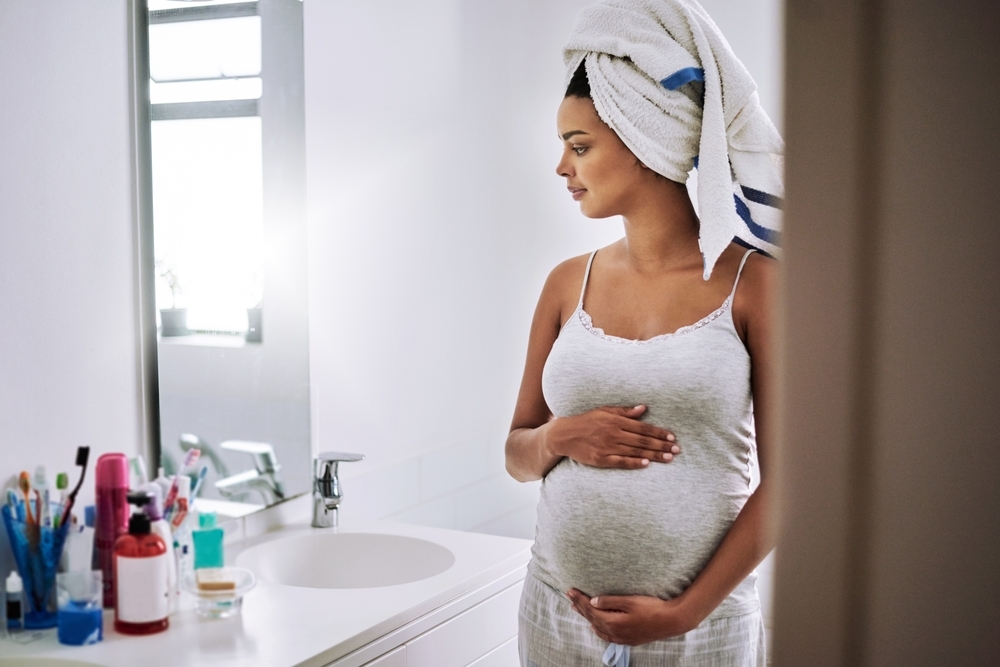
4. Fragrance-Free vs Scented Options
During pregnancy, your sense of smell becomes more sensitive. Even your favorite scents may suddenly cause nausea or discomfort.
- Fragrance-free: Best for highly sensitive moms or those with morning sickness
- Naturally scented (essential oils): Look for calming lavender, chamomile, or citrus—but avoid clary sage or rosemary, which may stimulate uterine activity
🌼 Less is more when it comes to scent during pregnancy.
5. Natural and Organic Picks
Many moms prefer natural and organic formulas for peace of mind. Look for certifications such as:
- ✅ USDA Organic
- ✅ EWG Verified
- ✅ COSMOS Organic
Natural ingredients to look for:
- 🌿 Aloe vera – Soothing and hydrating
- 🥥 Coconut oil – Gentle cleanser and moisturizer
- 🌾 Oat extract – Calms inflammation and redness
- 🌸 Chamomile – Helps with skin sensitivity
Avoid greenwashing—always check the full ingredients list, not just the marketing claims.
6. Tips for Sensitive Skin
If your skin becomes itchy, red, or flaky during pregnancy, you’re not alone. Here’s how to use your pregnancy body wash more effectively:
- Use lukewarm water—hot showers can strip oils
- Pat skin dry—don’t rub with towel
- Moisturize within 3 minutes of bathing
- Avoid daily exfoliation—keep it to once a week with a gentle scrub
- Use a soft sponge or hands, not loofahs or harsh cloths
7. Daily Care Tips for Pregnant Women
Building a maternity skincare routine doesn’t need to be complicated:
- Use a pregnancy-safe cleanser for body and hands
- Apply fragrance-free moisturizer or belly butter
- Stay hydrated—skin reflects internal balance
- Avoid new products unless patch-tested
- Shower in the evening to calm your body before rest
🛁 Pregnancy is delicate—your skincare should be too.
🔥 Bonus: Can Pregnancy Body Wash Help With Stretch Marks?
While body washes don’t treat stretch marks, some gentle cleansers with vitamin E, shea butter, or plant oils can support skin elasticity and reduce dryness—both of which contribute to preventing stretch mark formation.
For best results, pair your body wash with a dedicated stretch mark cream or pregnancy-safe oil post-shower.
Should You Use the Same Body Wash After Pregnancy?
Absolutely—especially if your pregnancy body wash is gentle, moisturizing, and fragrance-free. In fact, many moms continue using the same product through postpartum recovery and even for baby’s first bath (if it’s labeled newborn-safe).
Here’s why sticking with it is a good idea:
- ✅ Your skin may remain sensitive or dry post-delivery
- ✅ The hormonal transition can cause flare-ups or irritation
- ✅ Using the same product creates less confusion for your baby’s skin during cuddles
- ✅ Minimizing scent exposure helps with breastfeeding bonding
🍼 If your body wash worked well during pregnancy, don’t rush to replace it. Safe skincare is always in season.