
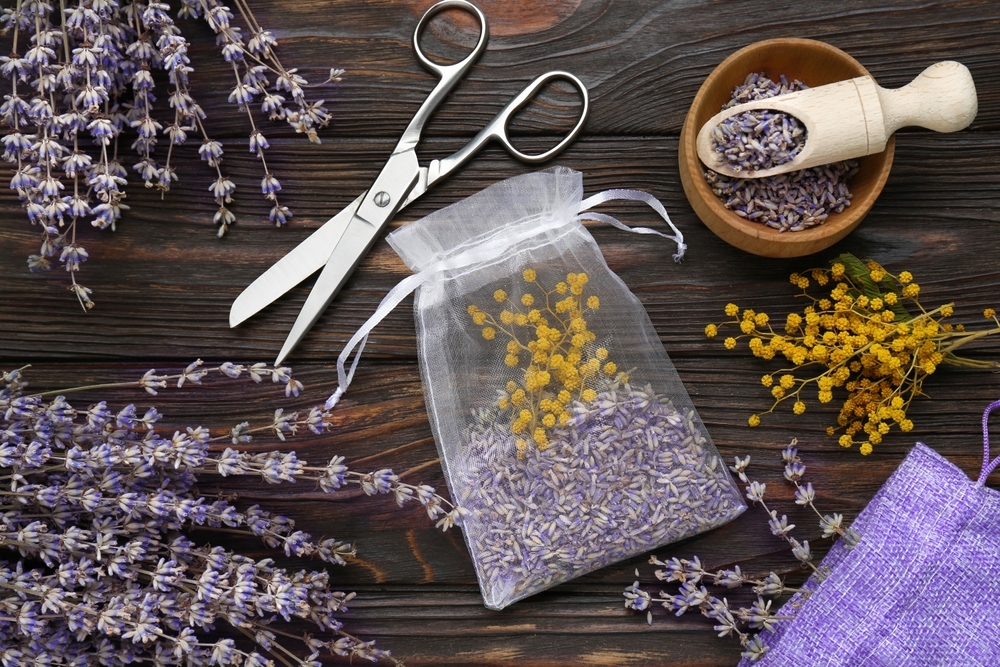
1. What Are Scented Sachets?
Scented sachets are small pouches filled with fragrant herbs, dried flowers, or essential oil–infused beads. They’ve been used for centuries as subtle, low-maintenance air fresheners—and now they’re trending again for good reason.
Unlike sprays or plug-ins, sachets offer a natural home fragrance that lasts for weeks, requires no electricity, and adds charm to any space.
🌸 A little sachet can make a big difference.
2. Best Places to Use Them in Your Home
Because they’re compact and mess-free, scented sachets can go just about anywhere. Popular placements include:
- Inside drawers or closets for clothing freshness
- In linen cabinets to keep sheets smelling clean
- Near shoes or gym bags to fight odor
- Inside cars or travel bags for on-the-go aroma
- In bathrooms as passive, non-spray fresheners
For best results, place them in enclosed or semi-enclosed spaces where the fragrance can gently diffuse.
3. Ingredients to Look for (and Avoid)
When shopping for natural home fragrance sachets, read the labels just like you would with skincare.
✅ Choose sachets with:
- Dried lavender, rose petals, chamomile – for a soothing effect
- Essential oils (e.g. eucalyptus, citrus, vanilla)
- Bamboo charcoal – neutralizes odor naturally
- Plant-based fixatives to prolong scent
❌ Avoid sachets with:
- Synthetic fragrance oils – often contain phthalates
- Artificial colorants or dyes
- Chemical desiccants or beads with petroleum bases
🍃 If it smells fake, it probably is.

4. Long-Lasting Fragrance Options
Not all scented sachets are created equal. If you want long-lasting impact, look for:
- Layered blends: combining base, middle, and top notes
- Encapsulated fragrance beads: release scent over time
- Linen-based sachets: breathe better than plastic casing
- Double-pouch designs: slow scent diffusion = longer life
Top-performing scents include lavender vanilla, cedarwood, lemon verbena, and bergamot tea.
5. Sachets vs Essential Oils
While both are excellent air fresheners, they serve different needs:
| Feature | Scented Sachets | Essential Oils |
|---|---|---|
| Passive fragrance | ✅ Yes | ❌ Needs diffuser or heat |
| Safety around kids/pets | ✅ Safer (no spills) | ⚠️ Risky if spilled or ingested |
| Custom placement | ✅ Anywhere | 🔌 Requires setup |
| Longevity | ✅ Weeks (low-maintenance) | ❌ Short bursts |
Sachets are the low-effort solution for consistent freshness, while oils offer stronger, active aromatherapy.
6. DIY Tips and Storage Ideas
Make your own scented sachets with just a few ingredients:
🧵 DIY Recipe:
- ¼ cup dried lavender or rose petals
- 1 tbsp rice (to absorb moisture)
- 3–5 drops of essential oil
- Cotton or muslin drawstring pouch
🧺 Storage Tips:
- Keep sealed in a Ziploc when not in use to “pause” scent
- Place used sachets in vacuum bags to refresh carpets
- Toss sachets into laundry hampers to offset odor buildup
🧶 DIY sachets are sustainable, customizable, and giftable.
7. Unexpected Uses for Sachets
Here are creative ways to use scented sachets beyond the bedroom:
- Slide into pillowcases for calming sleep support
- Store in pet bedding drawers to keep them fresh (choose pet-safe herbs)
- Tuck inside bookshelves to fight musty paper odor
- Place under car seats as a discreet air freshener
- Use in suitcases after travel to neutralize musty smells
✈️ Wherever there’s fabric, there’s a use for a sachet.
🔥 Bonus: How Often Should You Replace Scented Sachets?
Depending on ingredients and placement, a sachet’s scent can last 2–6 weeks. To keep fragrance levels optimal:
- Flip or shake the sachet weekly
- Add a drop or two of matching essential oil if scent fades
- Replace completely when contents feel damp, dusty, or scentless
Rotate scents seasonally to avoid nose fatigue and keep your home feeling fresh and inviting.
🕰️ Freshness fades—but smart sachet habits keep it going.