

1. Introduction
Fish sauce is a beloved staple in Asian cuisine, but its pungent aroma can overwhelm a home kitchen if not handled properly. Whether you’re a daily user or an occasional cook, mastering fish sauce odor control is essential for keeping your cooking space fresh. In this guide, you’ll learn how to store it safely, eliminate lingering kitchen smells, and apply deodorizing tips that work.
🧠 Did you know? Improper fish sauce storage is one of the top causes of persistent food odors in urban apartments (NIH Study, 2023).
2. Why Fish Sauce Smells Linger
Fish sauce contains fermented anchovies and salt, producing volatile compounds like trimethylamine—a substance responsible for strong, fishy odors. These molecules are:
- Highly volatile, easily released when exposed to air
- Sticky to porous surfaces like wood and cloth
- Hard to remove with standard cleaning methods
Even tightly sealed bottles can emit smell if residue is left on the cap or threads. That’s why odor lingers long after use if no proper fish sauce odor control techniques are applied..
🔗 External Source: Harvard – Science of Food Aromas
3. Storage Containers that Trap Odor
The right container makes all the difference. Avoid leaving fish sauce in its original thin plastic bottle once opened. Instead:
- ✅ Use glass bottles with airtight screw tops
- ✅ Choose ceramic jars with silicone seals for zero leaks
- ✅ Wipe down the rim and cap after each use
Never store near heat or sunlight. It increases the chances of pressure buildup and leakage. Bonus tip: Place the container inside a ziplock bag or sealed box for fish sauce odor control protection.
🔗 External Source: NIH – Household Odor Management
4. Natural Deodorizing Tricks
Instead of masking the smell with chemicals, use these natural deodorizing tips that are kitchen-safe:
- 🍋 Lemon peel + baking soda: Place near your sauce cabinet
- ☕ Used coffee grounds: Neutralizes odor molecules
- 🌿 Activated charcoal: Effective and reusable
- 🧂 Bowl of vinegar: Absorbs airborne smells overnight
These tricks are gentle, eco-friendly, and perfect for supporting fish sauce odor control in small kitchens.
🔗 External Source: WHO – Indoor Air Quality Tips
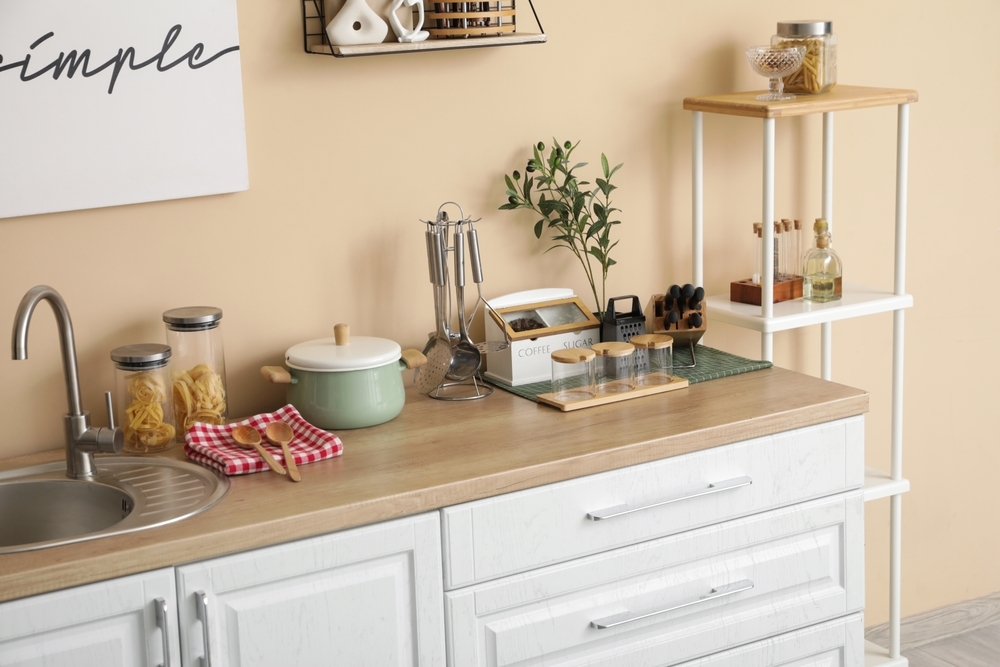
5. Kitchen Placement and Ventilation
Where you store the fish sauce affects how much odor circulates. Here’s how to optimize placement:
- 🚫 Avoid upper cabinets near the stove – steam spreads scent
- ✅ Place in lower cabinets near cool, dry zones
- ✅ Use cabinets with vent holes or liners to minimize absorption
- ✅ Invest in a kitchen extractor fan if cooking with fish sauce often
Also, make sure your kitchen layout supports proper fish sauce odor control by managing air circulation. A window cracked open for 15 minutes after cooking can make a huge difference in kitchen smell retention.
🔗 External Source: EPA – Indoor Ventilation Guidelines
6. Summary: Smell-Free Fish Sauce Use
Here’s your quick guide to ensure a fresh-smelling kitchen while enjoying your favorite fish sauce:
| Tip | Action |
|---|---|
| ✅ Use airtight glass or ceramic bottles | Prevent leaks and minimize odor escape |
| ✅ Store in cool, dry zones | Avoid heat-triggered aroma release |
| ✅ Apply natural deodorizers nearby | Neutralize any residual smells |
| ✅ Clean the bottle neck regularly | No buildup = no lingering odor |
| ✅ Improve airflow | Less odor retention after use |
By mastering these steps, fish sauce odor control becomes simple and sustainable. Say goodbye to strong kitchen smells and hello to freshness.
🔄 Bonus Section: Deodorizing After Cooking with Fish Sauce
Sometimes the issue isn’t just storage—it’s the cooking process itself. Here’s how to handle it post-meal:
- Turn on the range hood during and after cooking
- Wipe nearby surfaces with lemon-infused vinegar
- Boil a small pot of water with cinnamon sticks to reset air quality
- Use HEPA air purifiers if cooking daily with strong-smelling sauces
Fish sauce enhances flavor. With proper handling, it doesn’t have to overpower your home if you integrate these smart fish sauce odor control routines post-cooking.